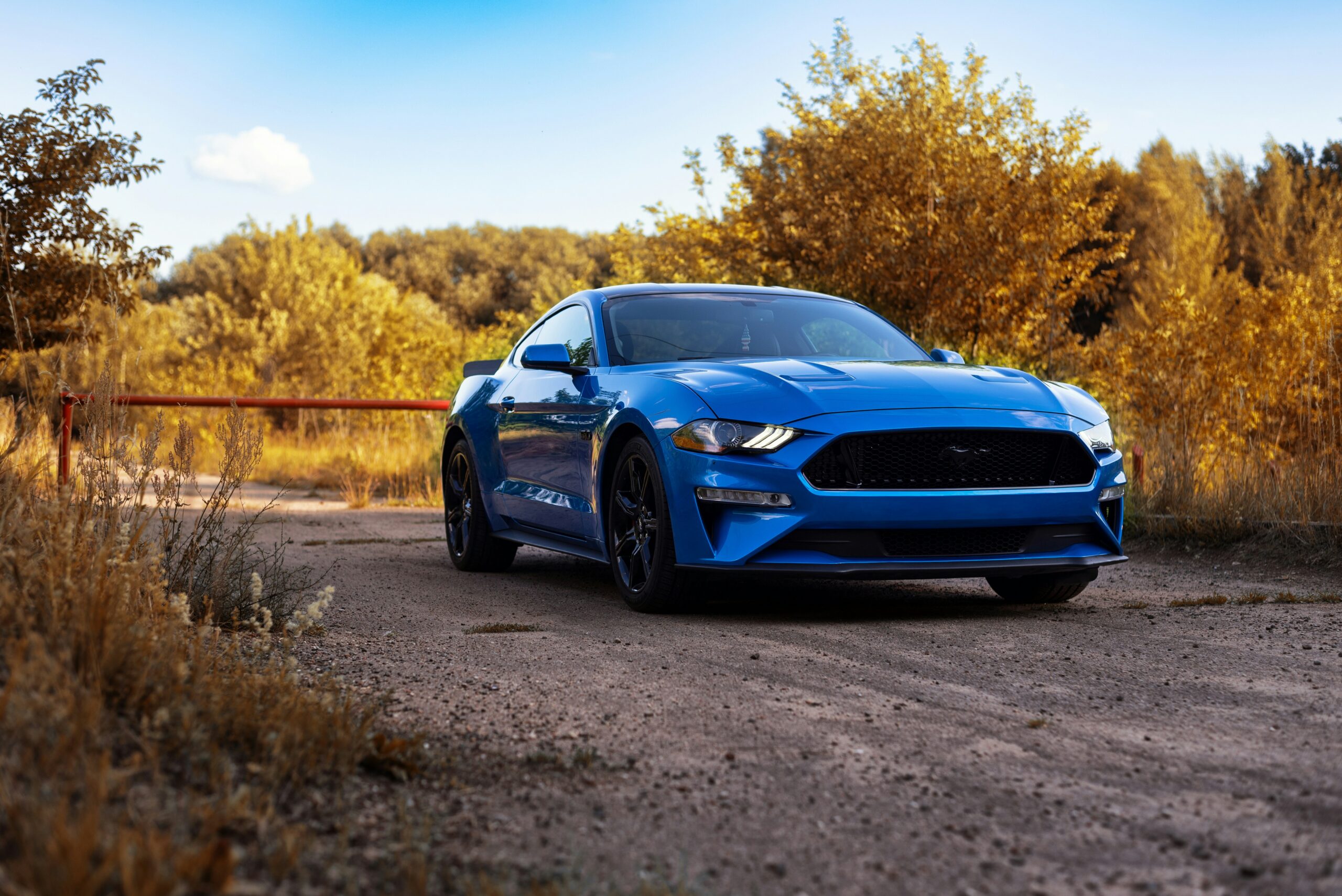

The Ford Mustang has earned its reputation as one of the most iconic performance cars ever made. From the aggressive styling to the powerful engines, it’s easy to see why so many drivers fall in love with it. But like any performance vehicle, Mustangs aren’t perfect.
If you’re researching common Ford Mustang problems and how to fix them, you’re in the right place. This guide breaks down the most frequent Mustang issues owners face, explains why they happen, and shows you how to fix or prevent them before they turn into expensive repairs.
Whether you already own a Mustang or are thinking about buying one, knowing these problems upfront can save you money, time, and frustration.
Are Ford Mustangs Reliable Cars?
Overall, Ford Mustangs are fairly reliable when properly maintained. Most serious issues come from:
- Aggressive driving habits
- Skipped maintenance
- High-mileage wear
- Poor-quality aftermarket mods
The good news? Many common Mustang problems are well-known, affordable to fix, and preventable with basic care.
Common Ford Mustang Problems & How to Fix Them
Let’s go through the most reported Mustang issues across multiple generations.
Engine Overheating Issues
One of the most common Mustang complaints is engine overheating, especially in older models or heavily modified cars.
Why it happens:
- Failing radiator or cooling fan
- Low coolant levels
- Stuck thermostat
- Water pump failure
Warning signs:
- Temperature gauge rising quickly
- Coolant smell
- Steam from engine bay
How to fix it:
- Check and top off coolant regularly
- Replace thermostat if temperature fluctuates
- Inspect radiator and cooling fan
- Replace water pump if leaking
Pro tip: Overheating is one problem you should never ignore — it can destroy an engine if left untreated.
Transmission Problems (Manual & Automatic)
Transmission issues are another frequent Mustang concern, especially on high-mileage or aggressively driven cars.
Common symptoms:
- Rough shifting
- Gear slipping
- Clutch chatter (manual)
- Delayed gear changes (automatic)
Why it happens:
- Worn clutch components
- Old transmission fluid
- Hard driving or drag racing
- Faulty solenoids (automatic)
How to fix it:
- Replace clutch if slipping or chattering
- Change transmission fluid on schedule
- Address warning signs early
- Avoid aggressive launches if daily driving
Regular fluid changes go a long way in keeping Mustang transmissions healthy.
Electrical Problems & Sensor Failures
Electrical gremlins are common across many Mustang generations.
Typical issues include:
- Faulty window switches
- Malfunctioning sensors
- Battery drain
- Dashboard warning lights
Why it happens:
- Aging wiring
- Faulty alternator
- Bad ground connections
- Failing sensors
How to fix it:
- Scan car with an OBD2 scanner
- Replace failing sensors promptly
- Check battery and alternator health
- Clean and secure grounding points
Electrical issues often start small — don’t wait until your Mustang refuses to start.
Oil Leaks & Excessive Oil Consumption
Some Mustang engines are known for oil-related issues, especially at higher mileage.
Common leak sources:
- Valve cover gaskets
- Oil pan gasket
- Rear main seal
Signs to watch for:
- Oil spots under the car
- Burning oil smell
- Low oil levels between changes
How to fix it:
- Replace worn gaskets and seals
- Check oil level frequently
- Use manufacturer-recommended oil
Ignoring oil leaks can lead to engine damage — this is an easy fix if caught early.
Suspension Noise & Premature Wear
Performance-oriented suspension setups can wear faster than standard vehicles.
Common complaints:
- Clunking noises
- Uneven tire wear
- Loose steering feel
Why it happens:
- Worn bushings
- Bad ball joints
- Aggressive driving
- Lowering springs without proper alignment
How to fix it:
- Inspect suspension components regularly
- Replace worn bushings and joints
- Get alignment after suspension mods
Upgrading suspension parts can actually improve reliability when done correctly.
Brake System Problems
Mustangs are powerful cars, and weak braking systems can show up quickly.
Symptoms:
- Brake squeal
- Vibration when braking
- Longer stopping distance
Common causes:
- Worn brake pads or rotors
- Cheap aftermarket brake parts
- Overheated brakes from aggressive driving
How to fix it:
- Use quality brake pads and rotors
- Replace brake fluid periodically
- Upgrade brakes if driving aggressively
Brakes are not an area to cheap out — especially on a performance car.
Interior Wear & Build Quality Issues
While Mustangs look great on the outside, interior wear is a common complaint.
Typical issues:
- Cracking dashboard
- Peeling trim
- Seat wear
Why it happens:
- Heat exposure
- Lower-quality materials in older models
How to fix it:
- Use sunshades and interior protectants
- Replace worn trim pieces
- Seat covers for daily drivers
Interior issues won’t strand you — but they do affect resale value.
How to Prevent Most Mustang Problems
Preventive maintenance is the key to Mustang longevity.
Simple habits that help:
- Follow service intervals
- Use quality fluids and parts
- Warm up engine before hard driving
- Avoid cheap performance mods
- Fix small issues early
A well-maintained Mustang can easily last 200,000 miles or more.
Frequently Asked Questions
Are Ford Mustangs expensive to maintain?
Maintenance costs are reasonable compared to other performance cars. Repairs mainly depend on driving style and upkeep.
Which Mustang years are the most reliable?
Later models tend to be more reliable, but any Mustang can be dependable with proper care.
Do Mustang performance mods cause reliability issues?
Poor-quality or improperly installed mods can cause problems. High-quality upgrades installed correctly are usually safe.
Is the Ford Mustang a good daily driver?
Yes — many owners daily-drive their Mustangs without issues, especially with regular maintenance.
Final Verdict: Should You Worry About Mustang Problems?
Every car has its flaws, and the Ford Mustang is no exception. The good news is that most common Mustang problems are well-documented, manageable, and affordable when addressed early.