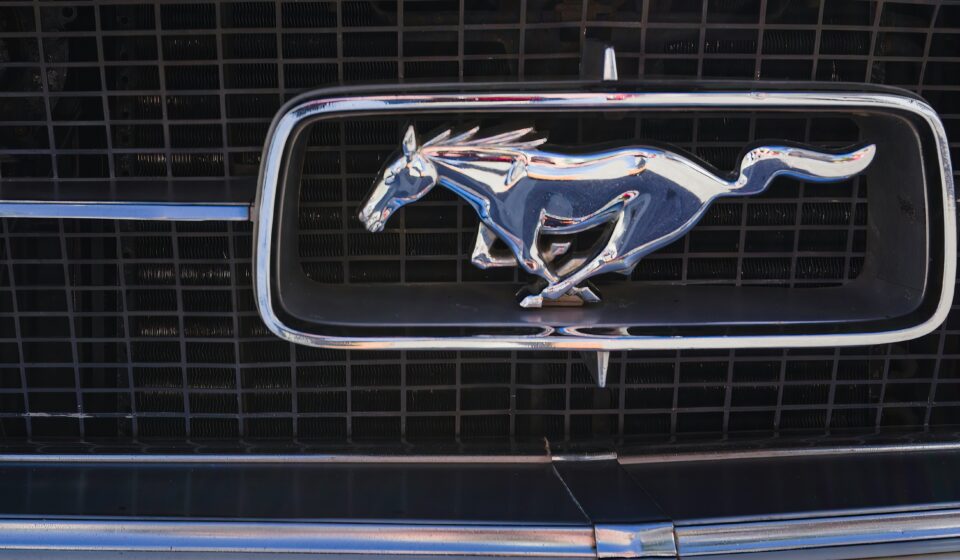

The Mustang GT is one of the most loved American muscle cars. With its powerful Coyote V8 engine, aggressive sound, and strong performance, it delivers serious driving fun. But like any performance car, it’s not perfect.
If you own a Mustang GT — or plan to buy one — here are the most common problems and simple ways to fix them.
1. Coyote Engine Ticking Noise
The Problem
Many Mustang GT owners report a ticking sound coming from the engine, especially in 2018+ models. It’s often called the “Coyote tick.”
Why It Happens
In most cases, it’s related to fuel injectors or normal engine noise. Sometimes it can also be caused by low oil level or oil type.
How to Fix It
- Check and maintain proper oil level
- Use recommended synthetic oil (usually 5W-20 or 5W-30 depending on year)
- If the noise is loud or unusual, get it inspected by a mechanic
Good news: in many cases, this tick is harmless and doesn’t affect performance.
2. MT82 Manual Transmission Issues
The Problem
If your Mustang GT has a manual transmission (MT82), you may notice:
- Hard shifting
- Grinding between gears
- Lockout at high RPM
Why It Happens
The factory clutch and transmission fluid sometimes struggle under aggressive driving.
How to Fix It
- Upgrade to better transmission fluid
- Install an aftermarket clutch spring
- Consider a short-throw shifter upgrade
- For serious issues, clutch replacement may be needed
Automatic GT models generally don’t face this issue.
3. Overheating During Hard Driving
The Problem
Some GT owners experience high engine temperatures during track days or aggressive driving.
Why It Happens
The stock cooling system may not be enough for extreme performance use.
How to Fix It
- Upgrade to a larger radiator
- Install an oil cooler
- Make sure coolant levels are correct
- Keep airflow areas clean
For daily driving, overheating is rarely a problem.
4. High Oil Consumption
The Problem
Some drivers notice their Mustang GT consumes oil faster than expected.
Why It Happens
High-revving V8 engines naturally use more oil, especially if driven hard.
How to Fix It
- Check oil level regularly (every 1,000–2,000 miles)
- Use high-quality full synthetic oil
- Avoid extended oil change intervals
This is common in performance cars and usually manageable with proper maintenance.
5. Rear Suspension & Wheel Hop
The Problem
Wheel hop during hard launches is common, especially in older S197 models.
Why It Happens
Stock suspension components flex under heavy torque.
How to Fix It
- Install upgraded rear control arms
- Add better tires
- Consider performance shocks
This improves traction and protects drivetrain parts.